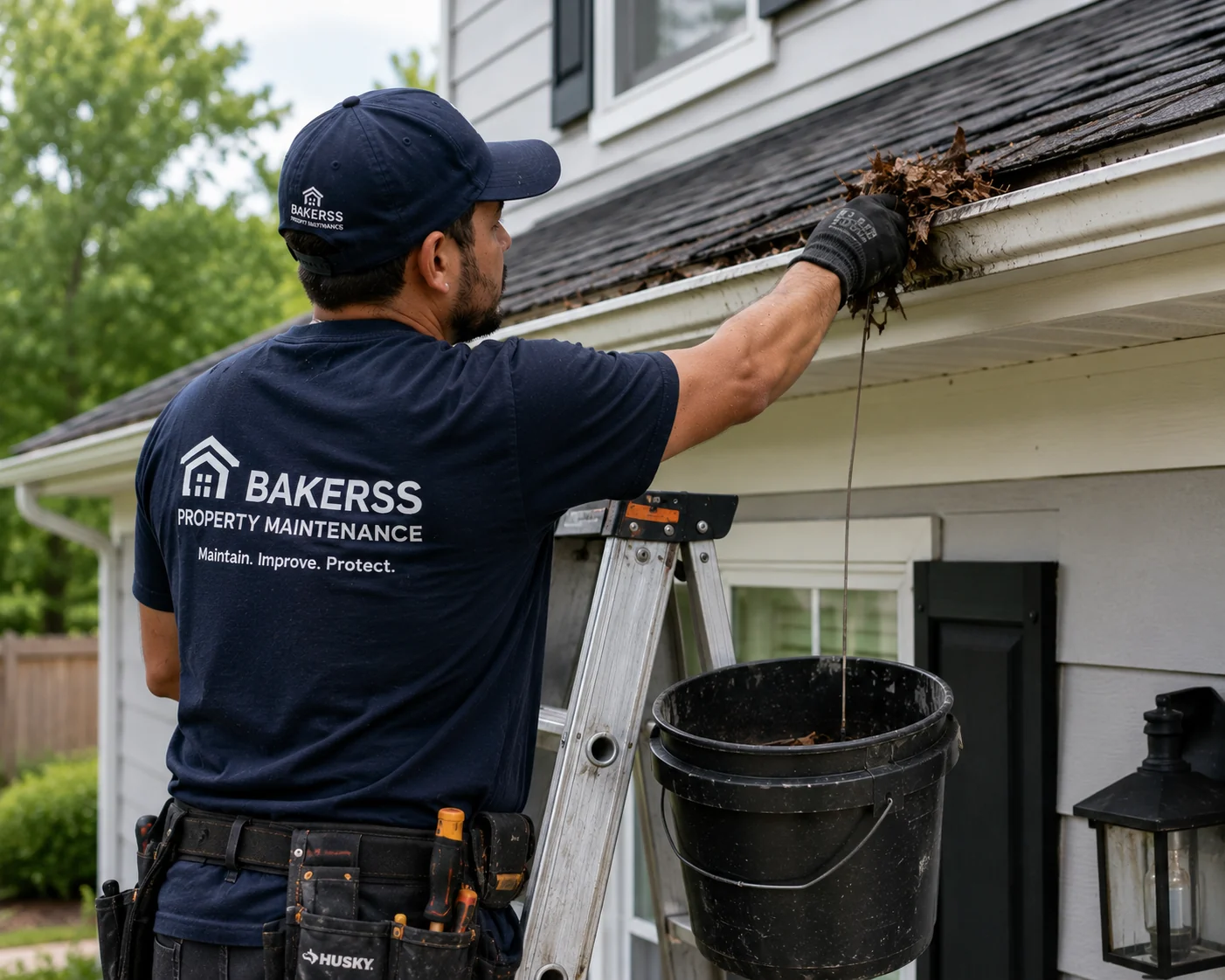
If you own a home in Myrtle Beach, Murrells Inlet, or anywhere in Horry County, your gutters are working harder than gutters almost anywhere else in the country. The combination of factors here is genuinely brutal — and most homeowners don't realize how fast damage accumulates until it's already expensive.
Here's what's actually happening to your gutters in coastal South Carolina, and what you can do about it.
Factor 1: Pine Pollen and Organic Debris
Horry County has one of the highest densities of longleaf and loblolly pine in the Southeast. In spring, these trees drop enormous amounts of pollen, needles, and cones — all of which settle directly into gutter troughs. Pine needles are particularly problematic because they clump together when wet, forming dense mats that trap water and accelerate roof runoff backup.
Homes within 50 feet of any pine tree can fill gutters to capacity in a single heavy pollen season. Annual cleaning is the minimum — many properties need twice-yearly service.
Factor 2: Salt Air Corrosion
Properties within a few miles of the ocean are exposed to salt-laden air year-round. Salt is highly corrosive to aluminum — the material used in nearly every residential gutter system. Over time, salt deposits eat through the finish, weaken seams, and cause joint failures that allow water to bypass the gutter system entirely.
- Seam failures are common in 10–15 year old aluminum gutters near the coast
- Salt accelerates corrosion at fastener points — gutters pull away from fascia
- Regular cleaning removes salt deposits before they can cause structural damage
Factor 3: Spanish Moss and Biological Growth
Spanish moss is picturesque on live oaks but devastating in gutters. When it falls or blows into troughs, it holds moisture against the gutter surface continuously — accelerating corrosion and creating ideal conditions for mold, mildew, and wood-rotting fungi to establish themselves on fascia boards.
Factor 4: Hurricane and Storm Debris
Even a tropical storm — not a direct hurricane hit — can deposit sticks, leaves, shingle granules, and other debris into gutters in a single event. Many homeowners skip post-storm gutter checks, leaving that debris in place to rot and hold moisture through the rest of the season.
Schedule a gutter cleaning within 2–3 weeks after any tropical storm or hurricane event — before the debris has time to compact and before the next rain event pushes water into your fascia.
Factor 5: The Consequences of Neglect
Clogged gutters in coastal SC don't just overflow — they cause cascading damage:
- Foundation erosion: Overflow water concentrates at the foundation perimeter, causing erosion, cracking, and moisture intrusion over years
- Fascia rot: Standing water in gutters saturates the wood fascia board behind them — rot spreads to roof decking
- Soffit damage: Water backing up under rooflines destroys soffits and creates interior moisture problems
- Landscape washout: Overflow dumps concentrated water into beds, washing out mulch and plants
- Pest harborage: Standing water and decomposing debris attract mosquitoes, carpenter ants, and yellow jackets
How Often Should Horry County Gutters Be Cleaned?
For most homes in Myrtle Beach and Horry County, twice a year is the baseline — once in late spring after pollen season peaks, and once in late fall after the last leaf drop. Homes near pine trees, under heavy oak canopy, or within half a mile of the ocean should consider quarterly service.
After any tropical storm or hurricane event, add an unscheduled cleaning to your list regardless of where you are in your annual rotation.
The Bottom Line
Gutter cleaning is the most cost-effective preventive maintenance a Horry County homeowner can invest in. The cost of cleaning is a fraction of the cost of replacing fascia, repairing foundations, or dealing with interior moisture damage. Don't skip it.
View our gutter cleaning service or request a free estimate for your Horry County property.